Home Page

  |  

Our research


Avoidable mortality in adults with learning disabilities

Life Expectancy & Mortality | Last Updated: 06 Oct 25

Background

Avoidable mortality is an under-researched area for adults with learning disabilities. The definition of avoidable mortality includes many preventable and treatable conditions such as heart disease, pneumonia and respiratory conditions. Recent studies suggest that up to 40% of deaths of people with learning disabilities may be avoidable. We identified the need to quantify rates of avoidable deaths in adults with learning disabilities, compared adults in the general population, and to identify major causes of death, particularly those which are avoidable.

What we did

We linked data from Scotland’s Census 2011 with records from the National Records of Scotland Statutory Register of Deaths database from 2011 up to 2019. 14, 477 adults aged 25 and over who self- or proxy reported having learning disabilities in Scotland’s Census in 2011 were identified and the mortality rates were compared to adults of the same age without learning disabilities. We examined the rates and most common causes of death.

What we found

Key Findings from this study included:
• Young adults (25-34yrs) with learning disabilities are 6 times more likely to die prematurely, while for adults with learning disabilities of all ages, the mortality risk is 3 times higher compared to adults in the general population, demonstrating that health inequalities faced by people with learning disabilities are particularly pronounced in young adulthood.
• Young adults (25-34 yrs) with learning disabilities are 9 times more likely to die of treatable causes of death.
• Adults 25+ with learning disabilities are dying, on average, 15 years younger than adults without learning disabilities.
• Down syndrome was the most commonly-recorded underlying cause of death for adults with learning disabilities, indicating prevailing uncertainty in relation to underlying causes of death in people with learning disabilities and an urgent need to review the way that cause of death is recorded for this population.

What these findings mean

These findings indicate that young adults with learning disabilities are disproportionately affected by risk of premature death from avoidable causes. The research identifies a clear need for improvements in the early detection, prevention, care and treatment of health problems experienced by people with learning disabilities. This is essential at all ages, and for people living in all areas; more so than for the general population, these are not issues related to older age nor neighbourhood deprivation. 

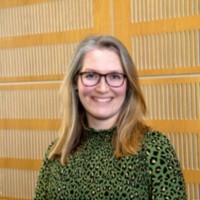
17 128 Ewlina Rydzewska 001 staff image

Dr Ewelina Rydzewska-Fazekas

Ewelina is an Affiliate Associate Researcher with the Scottish Learning Disabilities Observatory. Ewelina's work with the Observatory focused around health inequalities and the health needs of people with autism. She is now based at the University of Edinburgh School as a Lecturer in Health Futures at the Edinburgh Futures Institute and School of Health in Social Science.

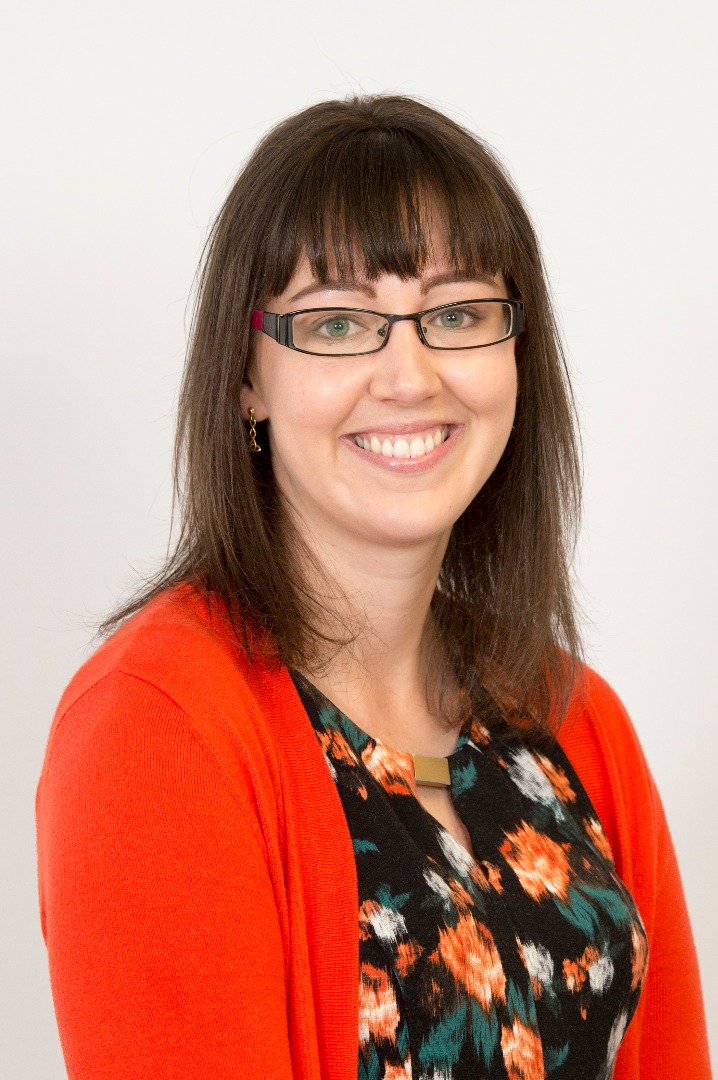
25 035 Scottish Learning Disability Staff Portraits Dewy Nijhof 026 staff image

Dewy Nijhof

Dewy is a Research Assistant with the Scottish Learning Disabilities Observatory. She has previously completed internships within the EU-AIMS consortium, a Europe-wide collaboration which aims to gain a better understanding of autism - neurologically, genetically, and behaviourally - and experiences of people with Autism and their families in order to decrease difficulties that are associated with Autism. After finishing her degrees in Psychology and Brain Sciences, she worked in the field of Public Health, where she focused particularly on health inequalities in vulnerable groups within the community. In her current position with the Observatory, she is able to combine her experience in Public Health and Autism research. She will be focusing on large datasets, such as census and health record data, in order to gain a better understanding of health inequalities experienced by people with Autism in Scotland.

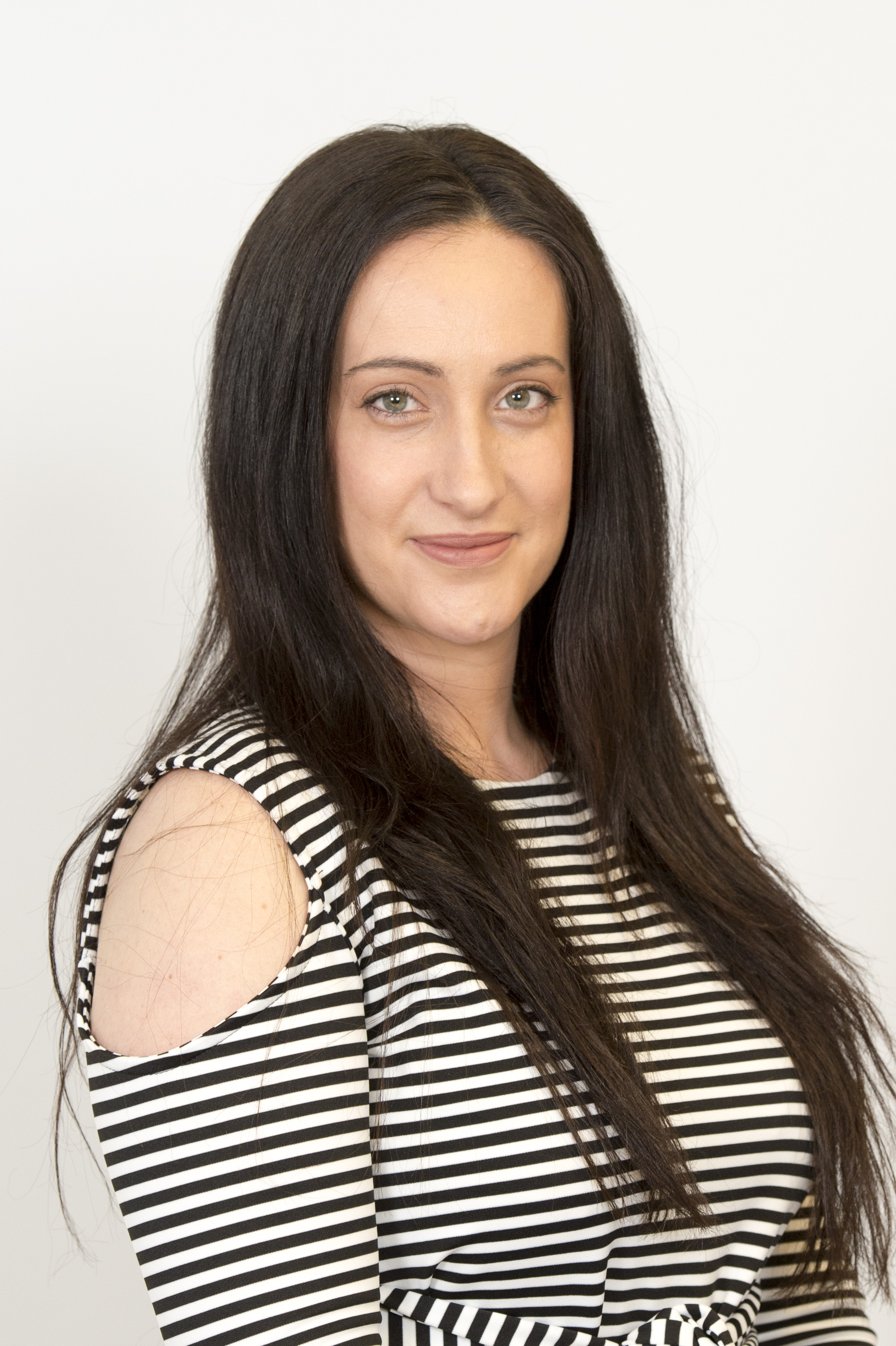
25 035 Scottish Learning Disability Staff Portraits Filip Sosenko 022 staff image

Dr Filip Sosenko

Filip joined the Scottish Learning Disabilities Observatory in 2021 as a Research Associate and is currently conducting research into covid-19 outcomes among people with learning disabilities. His previous research focused on severe poverty and associated phenomena, such as the use of food banks, homelessness, and ‘complex needs’. A sociologist by background, Filip has a keen interest in health inequalities. He has advanced statistical skills and expertise in research methodology.

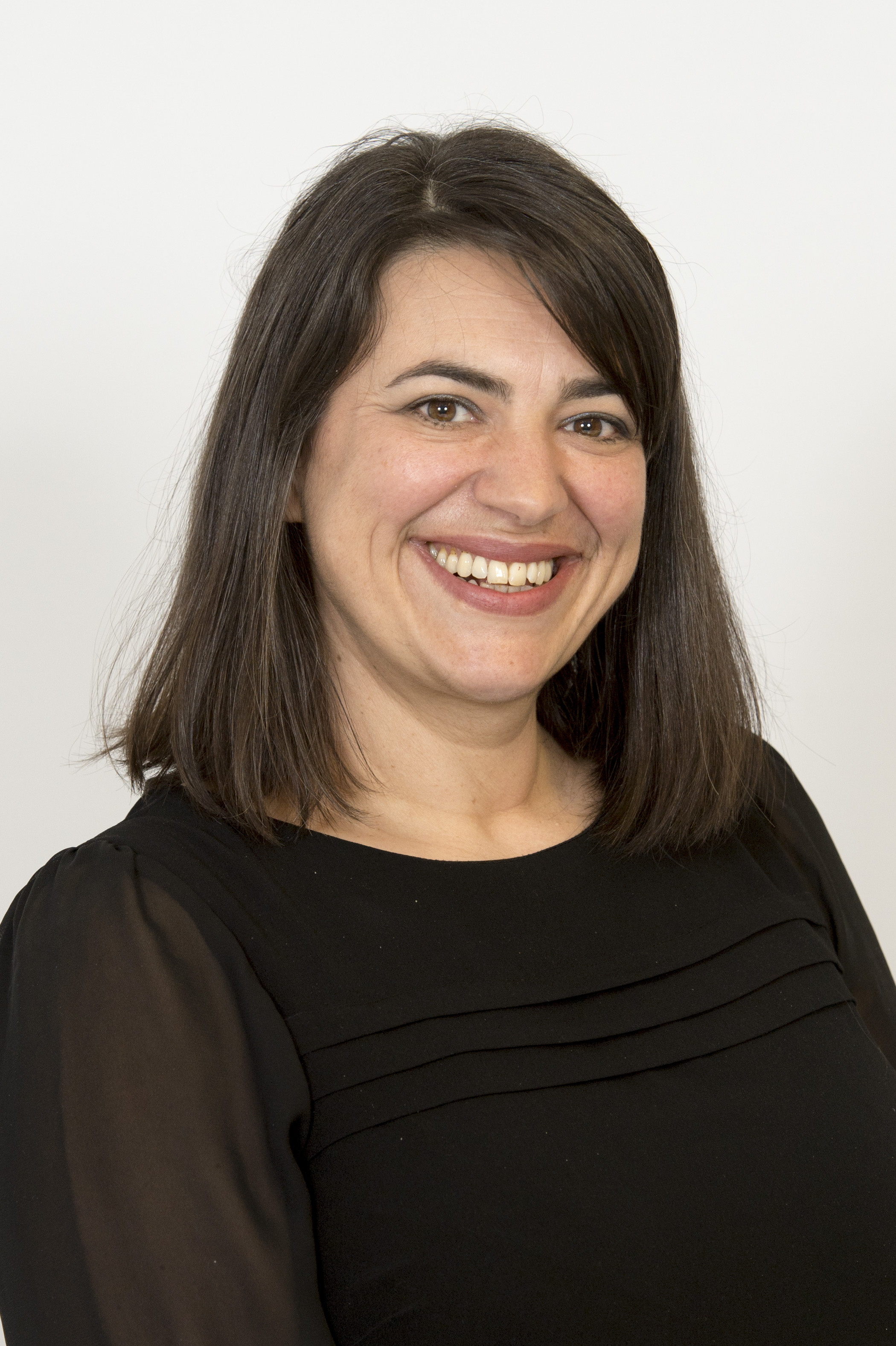
Craig staff image

Professor Craig Melville

Craig is a Professor of Neurodevelopmental Psychiatry in the School of Health and Wellbeing at the University of Glasgow. His work focuses on using evidence from research to inform the development of interventions and policy to improve the health of people with neurodevelopmental conditions. Craig has worked on clinical trials of complex interventions, such as psychological therapies, weight management and health checks in primary care. Evidence from epidemiological research has been central to the development of these clinical trials and his work with SLDO centres on how to use Scotland’s national datasets to understand and tackle the health inequalities experienced by people with neurodevelopmental conditions.

Debbie staff image

Professor Deborah Cairns

Deborah is the Director of the Scottish Learning Disabilities Observatory and Professor of Health and Neurodevelopmental Conditions, in the School of Health and Wellbeing, at the University of Glasgow. Deborah is passionate about her research which aims to improve the health of people with learning disabilities and their families. She has worked on many different projects about people with learning disabilities including: cancer incidence, cancer screening, multi-morbidity (having two or more health conditions), oral health and COVID-19, to name a few. She has also worked on projects about the physical and mental health of family members who support someone with a learning disability. Deborah is committed to conducting research that has impact and works closely with self-advocates with learning disabilities, family carers and third sector organisations who are pivotal in all of her work and who have a shared vision of ensuring the human rights of all people with learning disabilities are recognised, supported and upheld. Read more about Deborah here.

Laura Ward staff image

Dr Laura Ward

Laura is an Affiliate Associate Researcher at the Observatory, involved in ongoing work about cancer screening, cancer incidence and cancer-related deaths, as well as pain and prescribing in adults with intellectual disabilities/autism. In 2023, Laura took up the role of Project Manager of the Trusted Research Environment (TRE) at the Health Informatics Centre (HIC) at the University of Dundee. The TRE, or Safe Haven as it is known in Scotland, is responsible for curation and provisioning of NHS Scotland patient data.

17 128 Kirsty Dunn 001 staff image

Dr Kirsty Dunn

Kirsty is a Lecturer in Clinical Psychology at the University of Glasgow, and is an affiliate of the Scottish Learning Disabilities Observatory, having joined the team in 2015. She is interested in the health and wellbeing of individuals with learning disabilities and their families. Previously, Kirsty has worked on projects examining patterns of hospital admissions, prevalence of physical and mental health conditions, and the impact of caring for a son/daughter with learning disabilities on fathers. Her current research projects are exploring: The impact of bullying on young people's mental health Common mental health conditions experienced by children and young people Patterns of long-term health conditions and prescribing in adults

17 128 Laura Hughes Mccormack 001 staff image

Dr Laura Hughes

Laura is a Lecturer in Clinical Psychology at the University of Glasgow, and an affiliate of the Scottish Learning Disabilities Observatory, having joined the team in 2015. With the Observatory, Laura was involved in projects looking at the health of people with learning disabilities in a number of large data-sets, including primary health care records, Scotland's 2011 Census and health records of people born with Down Syndrome in Scotland over a 25 year period. Laura studied Psychology and has extensive experience of working with people with learning disabilities in her previous roles, for example, as a Befriender, a Learning Assistant and an Assistant Psychologist. Read more about Laura at the link below

17 128 Angela Henderson 002 staff image

Angela Henderson

Angela was formerly the Director for Policy and Impact for the Scottish Learning Disabilities Observatory and remains an affiliate team member, having moved in 2024 to work with the Scottish Government leading the development of annual health checks and learning disabilities data. Angela is interested in how evidence is used in policy making and was involved in many projects at the Observatory. These included: Understanding the impact of Covid-19 on people with learning disabilities The Research Voices Project Helping to set up the SPIRE learning disabilities data project Analysing information about drug prescribing for people with learning disabilities